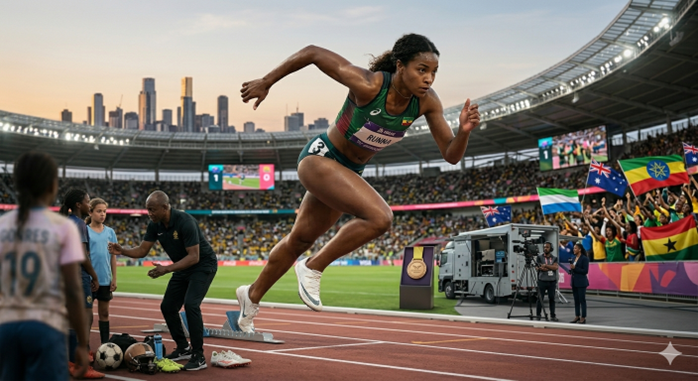
There is a seismic shift happening in the upper echelons of international sport, and its heartbeat belongs to the African-Australian diaspora. Walk into any major sporting arena across the country, or tune into global broadcasts, and the influence is undeniable. From the lightning-fast transitions on the football pitch to the explosive bursts on the athletics track, diaspora athletes are having a beautifully disproportionate impact on mainstream Australian sports codes.
For decades, the standard narrative surrounding Australian sporting heroes leaned heavily on traditional suburban pathways. However, a new generation of talent is redefining what the iconic “green and gold” looks like. Armed with sheer determination, unique athletic profiles, and the unyielding backing of their communities, these competitors are transforming the nation’s sporting identity. This evolution is not just a win for diversity; it is an absolute game-changer for the country’s footprint in African news in Australia and global athletic dominance.
From the Commonwealth Games to the World Cup Stage
The leap from suburban weekend sports to the grand theater of international competition requires a rare mix of grit and grace. In recent years, African-Australian athletes have systematically graduated from local tournaments to anchor national teams at the highest levels, including the Olympic Games coverage and the historic FIFA Women’s World Cup.
[Grassroots Parks] ──► [National Premier Leagues] ──► [FIFA World Cup / Olympics]
Consider the explosive growth within the men’s national football team, the Socceroos. The world stood still during recent World Cup cycles as names like Awer Mabil, Thomas Deng, and the sensational young talents Nestory Irankunda and Mohamed Touré stepped onto the global pitch.
- The Power of Connection: For young stars like Irankunda and Touré, who both honed their craft in the tight-knit football communities of South Australia, the journey is deeply collaborative. Their raw pace, tactical fearlessness, and technical flair have completely revitalized Australia’s attacking threat on the world stage.
- Data-Driven Ascent: According to national soccer metrics, over a dozen players of African heritage have integrated into the senior men’s national setup in recent years. This is a massive statistical surge compared to prior decades, illustrating that the pipeline from community clubs to global showpieces is officially open.
- The Multi-Sport Takeover: It isn’t just football. On the athletics track, middle-distance runners and sprinters of South Sudanese, Ethiopian, and Eritrean descent are smashing national records, earning podium finishes at the Commonwealth Games, and commanding prime billing in global Olympic broadcasts.
These athletes do not just participate; they inject an electric, dynamic style of play that challenges old-school tactical frameworks. They play with the pride of their ancestry and the gratitude of their present, capturing the imagination of sports fans globally.
Overcoming Structural Obstacles in Professional Sports
Despite the glittering highlight reels, the path to achieving elite athletic excellence is littered with hidden hurdles. Talent is distributed evenly across zip codes, but structural opportunity historically has not been. For many families within the African-Australian diaspora, navigating the complex, often expensive matrix of elite youth sports development can be incredibly isolating.
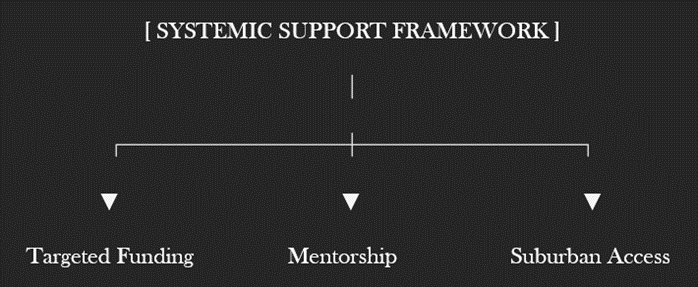
To sustain this golden generation of talent, the sporting ecosystem must look past raw athleticism and actively dismantle systemic roadblocks:
1. The Financial Gatekeeping of Elite Academies
High registration fees, specialized equipment costs, and regional travel requirements create a massive barrier for working-class migrant families. Without targeted scholarships and subsidized development programs, some of the country’s most brilliant natural talents are locked out of professional pathways before they even turn fifteen.
2. Cultural Isolation & Short-Term Mentorship
Stepping into elite sporting environments can induce severe imposter syndrome if an athlete is the only person of color in the locker room. Young players need dedicated mentors who understand their unique lived experiences, cultural obligations, and the specific pressures of representing a diaspora community under the intense glare of public scrutiny.
3. Institutional Underinvestment in Community Hubs
Grassroots clubs in high-density multicultural corridors are routinely underfunded. Local councils and state governing bodies must prioritize structural upgrades, such as floodlit pitches, modern training gyms, and accessible transport links, to ensure that the next generation can train safely within their own neighborhoods.
The Importance of Authentic Representation in Sports Journalism
When an athlete shatters a record or scores a crucial match-winner, the magic shouldn’t stop at the whistle. The way that triumph is framed, analyzed, and written into history matters immensely. Historically, mainstream media coverage has occasionally missed the nuance of diaspora journeys, sometimes lapsing into tired tropes or focusing solely on physical attributes rather than celebrating tactical intelligence and psychological resilience.
This is precisely why independent, authentic media platforms led by veteran reporters are shifting the paradigm. True representation behind the microphone alters the entire narrative, replacing superficial analysis with deep, culturally competent storytelling.
“When journalists share a cultural shorthand with the athletes they cover, the resulting interviews move past generic cliches and touch upon the true emotional core of elite performance.”
A prime example of this media evolution lives right within our own ranks. Our editorial standards are deeply informed by our internal leadership profiles. To understand the profound depth of our commitment to first-rate global tournament reporting, look no further than the ANMA Founder Biography Highlights, which detail Maggie Konneh’s extensive, boots-on-the-ground experience reporting from iconic global events like the Rio 2016 Olympic Games and the transformative 2023 FIFA Women’s World Cup.
When coverage is steered by professionals who have walked those exact media corridors, sport ceases to be just a game. It becomes a living, breathing historical record of community resilience, societal evolution, and uncompromised excellence.
A Vision for the Future of Australian Sport
As we look toward the next decade of international competition, the integration of African-Australian athletes will undoubtedly deepen. The young kids currently kicking scuffed footballs across community parks in Western Sydney, Melbourne’s northern suburbs, and Adelaide’s outer fringes are watching their older peers command global transfer fees and stand proudly on Olympic blocks.
The barrier has been breached. The goal now is to ensure the path remains wide, well-lit, and completely accessible for every single child who dreams of turning their raw passion into a lifelong legacy.
References
- Knijnik, J., & Newson, M. (2020). ‘Tribalism’, identity fusion and football fandom in Australia: the case of Western Sydney. Soccer & Society, 22(3), 248-265.
- Australian Sports Commission. (2026). Addressing Systemic Barriers to Multicultural Participation in Regional and Metropolitan Sport. ASC Insights.
Stay Ahead of the Game!
Never miss a breakthrough story, exclusive athlete interview profile, or deep-dive tactical analysis.
- Subscribe to the ANMA Weekly Sports Highlights Newsletter to get the latest diaspora sporting achievements delivered directly to your inbox every single Tuesday.
- Have your say: Who is your favorite African-Australian athlete tearing it up on the world stage right now? Let us know your thoughts in the comment section below!