Human rights are universal, but the mechanisms required to protect them successfully demand deep cultural nuance, empathy, and localized understanding. Within the intricate fabric of multicultural societies, addressing deeply entrenched traditional practices requires immense sensitivity and courage. Among the most critical and delicate of these structural human rights issues is the ongoing fight against Female Genital Mutilation (FGM) or Female Genital Cutting (FGC).
Over the past two decades, the approach to FGM awareness in Australia has undergone a profound transformation. What once began as a rigid, predominantly legislative response has evolved into a dynamic, community-led movement championed by those who understand the culture from the inside out. This shift is not just a matter of changing tactics; it is a fundamental redefinition of how social justice operates within the African-Australian diaspora.
In this deep dive, we explore how grassroots organizing, culturally responsive education, and independent media have synergized to protect vulnerable youth, support survivors, and drive systemic reform across the nation.
Understanding the Power of Culturally Responsive Advocacy
For years, the standard Western approach to eradicating FGM relied heavily on punitive legal measures and top-down health directives. While criminalization is a necessary component of child protection, relying solely on the threat of prosecution often yields counterproductive results.
The Limitations of Top-Down Legislation
When government bodies or external organizations approach culturally bound practices primarily through a lens of criminal justice, it frequently drives the practice underground. It creates a paradigm of fear, alienating the very women and families who desperately need access to maternal health resources and psychological support.
Top-down approaches often fail because they lack the cultural vocabulary required to dismantle intergenerational beliefs. They can inadvertently stigmatize entire communities, framing them as inherently abusive rather than recognizing them as populations adhering to complex, albeit harmful, societal norms regarding purity, marriageability, and tradition. According to the World Health Organization, FGM is recognized internationally as a violation of the human rights of girls and women, yet eradicating it requires a systematic, community-led abandonment process rather than mere legal prohibition.
Why Community-Led Voices Matter
The evolution of advocacy within the diaspora recognized a crucial reality: true behavioral change must come from within. Culturally responsive advocacy replaces judgment with education, and alienation with empowerment.
Effective FGM awareness in Australia is now driven by a framework that prioritizes the voices of those directly impacted. This model succeeds because it utilizes several key strategies:
- Empowering Local Leaders and Elders: Engaging religious and traditional leaders to publicly disassociate FGM from religious obligation, thereby removing the spiritual justification for the practice.
- Linguistically Appropriate Resources: Providing health, legal, and psychological resources in native languages (such as Somali, Arabic, or Swahili) to ensure total comprehension and accessibility.
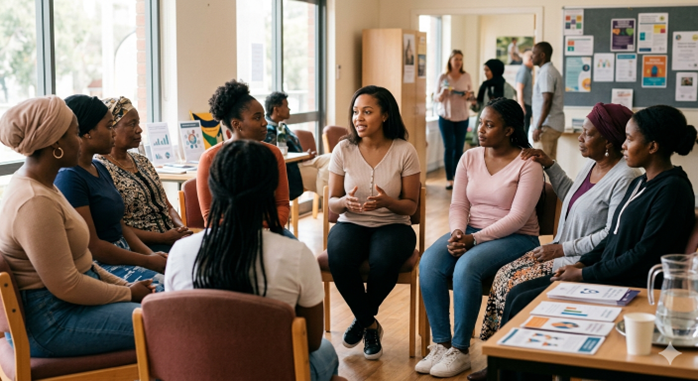
- Safe, Non-Judgmental Spaces: Creating private community forums where women can share their experiences, discuss the health complications of FGM, and heal collectively without fear of external stigma.
- Holistic Survivor Support: Shifting the focus from solely preventing the practice in young girls to providing specialized maternity care and psychological support for adult survivors living in Australia.
By trusting the community to lead the conversation, advocacy transitions from a punitive lecture into a collaborative journey toward collective healing and human rights protection.
Breaking the Silence: From West Africa to Down Under
The migration journey from regions where FGM is prevalent, particularly West Africa, the Horn of Africa, and parts of the Middle East, to Australia brings a collision of cultural paradigms. Families navigating this transition are often caught between a desire to preserve their cultural heritage and the legal and ethical frameworks of their new home.
The Bridge Builders: The Role of the Anti-FGM Activist
At the center of this cultural shift is the modern anti-FGM activist. These are often women from within the diaspora who have intimately experienced the realities of the practice. They serve as the vital bridge between their communities and the Australian health and legal systems.
These activists face a unique and grueling dual burden. On one hand, they must advocate fiercely for the bodily autonomy of young girls, navigating complex human rights issues on a national stage. On the other hand, they must manage the immense cultural backlash from within their own communities, where speaking out against FGM can sometimes result in ostracization or being labeled as a “traitor” to their heritage.
Despite these challenges, grassroots activists have established powerful local initiatives that span across major Australian cities.
Grassroots Momentum in Sydney and Melbourne
In the diverse suburbs of Sydney and Melbourne, localized campaigns have proven highly effective. Organizations such as the National Education Toolkit for Female Genital Mutilation/Cutting Awareness (NETFA) and various state-based multicultural health services have partnered with diaspora leaders to run intensive, localized workshops.
These initiatives focus on:
- Maternal Health Education: Educating expectant mothers on the Australian medical system’s protocols regarding FGM, ensuring they receive trauma-informed care during childbirth.
- Youth Empowerment Programs: Working with first-generation African-Australian youths who are navigating dual identities. These programs empower young women to claim ownership of their bodies while still celebrating the positive aspects of their cultural heritage.
- Engaging Men and Boys: A crucial development in recent years is the inclusion of fathers, brothers, and husbands in the dialogue. Because FGM is historically tied to patriarchal expectations of marriageability, changing male attitudes is a definitive step toward eradicating the practice.
The success of these programs in Sydney and Melbourne proves that when FGM awareness is localized, culturally sensitive, and survivor-led, it results in tangible, life-saving outcomes.
The Role of Media in Systemic Reform
While grassroots activists do the heavy lifting within the community, their impact is heavily reliant on visibility. This is where the intersection of independent journalism and diaspora current affairs becomes vital.
Reframing the Narrative
Historically, mainstream media representations of FGM have been sensationalized, framing African communities through a lens of victimhood or barbarism. This type of reporting not only traumatizes survivors further but also damages trust between the diaspora and the broader Australian public.
Independent, community-focused journalism takes a different approach. It acts as an amplifier for systemic reform by focusing on resilience, education, and the structural barriers that activists face. By providing a platform for nuanced storytelling, independent media reframes the narrative from one of despair to one of active, community-driven social justice.
Amplifying Crucial Safety Campaigns
Independent journalism plays an indispensable role in translating grassroots efforts into broader policy changes. When diaspora media outlets report on local anti-FGM initiatives, they achieve several crucial outcomes:
- De-stigmatization: They bring taboo subjects out of the shadows, normalizing conversations around female sexual health and bodily autonomy within the community.
- Resource Allocation: By highlighting the successes and funding shortfalls of local safety campaigns, journalists draw the attention of government grant-makers and philanthropic organizations.
- Policy Influence: Detailed, investigative reporting on the gaps in the medical system’s response to FGM survivors can force structural changes in how hospitals train their maternity and psychological staff.
The evolution of FGM advocacy in Australia is proof that media is not just an observer of social justice; it is an active participant in systemic reform.
A Collaborative Path Forward
The journey of FGM awareness in Australia is a testament to the resilience and unyielding strength of the African-Australian diaspora. Moving away from ineffective, top-down legislative approaches, the current landscape of culturally responsive, community-led advocacy is saving lives and healing generations.
It takes the bravery of the grassroots anti-FGM activist, the willingness of communities to engage in difficult dialogues, and the dedication of independent media to highlight these vital human rights issues. True social justice is never achieved in isolation, it requires continuous support, structural reform, and amplified voices.
If you are part of a grassroots organization driving change, or if you wish to submit an advocacy campaign press release to reach a broader audience, please reach out to us directly via our Contact Us page. We are committed to amplifying the stories that matter.
Support Independent Media
The fight for structural human rights reform relies on platforms willing to tell the unvarnished truth. To help us continue providing nuanced, investigative journalism on diaspora current affairs and community safety campaigns, please consider supporting our work. Donate to the ANMA Independent Media Fund here. Your contribution ensures that crucial, community-led narratives are never silenced.
Frequently Asked Questions (FAQs)
1. What is the current legal status of FGM in Australia?
Female Genital Mutilation (FGM) is entirely illegal across all Australian states and territories. Under national and state legislation, it is a criminal offense to perform FGM within Australia. Additionally, laws strictly prohibit taking a child outside of Australia to have the procedure performed overseas (often referred to as “vacation cutting”). Individuals convicted of performing or facilitating FGM face severe prison sentences, and mandatory reporting laws require healthcare, education, and child protection professionals to report any suspected cases or risks to authorities.
2. Why do community-led approaches work better than top-down legal enforcement alone?
While legislation provides an essential legal framework for child protection, punitive measures alone often drive the practice underground out of fear of prosecution and community stigma. Culturally responsive, community-led advocacy works from the inside out. When trusted diaspora leaders, elders, and survivors facilitate the conversation, they can dismantle deep-seated cultural misconceptions without alienating families. This approach fosters open dialogue, addresses the root causes of the practice, and connects women to vital health services in a safe, non-judgmental environment.
3. How can healthcare providers better support FGM survivors in multicultural communities?
Healthcare providers, particularly in maternity and psychological care, can offer better support by adopting a trauma-informed and culturally competent approach. This includes:
- Avoiding clinical language that sounds judgmental or overly shocked during examinations.
- Utilizing professional, accredited interpreters rather than family members to ensure privacy and clear communication.
- Understanding the specific physical and psychological long-term impacts of FGM, especially during pregnancy and childbirth.
- Providing holistic care that addresses both physical reconstruction options (such as deinfibulation) and mental health support.
4. What role do men and boys play in anti-FGM advocacy within the diaspora?
Men and boys play a critical, transformative role in ending FGM. Because the practice is historically rooted in patriarchal notions of marriageability, purity, and social status, shifting male attitudes is key to its total eradication. When fathers, brothers, and husbands publicly declare that they prefer to marry and support uncut women, it removes a massive social pressure from mothers who might otherwise feel compelled to continue the tradition. Increasingly, local campaigns in Sydney and Melbourne are engaging men as active allies in social justice and gender advocacy.
5. How can everyday citizens support anti-FGM and human rights initiatives in Australia?
Everyday citizens can actively support the movement through education, amplification, and financial allyship:
- Educate Yourself: Learn about the realities of FGM/C through reputable organizations like the World Health Organization (WHO) and NETFA to counter mainstream misconceptions and avoid stigmatizing diaspora communities.
- Amplify Voices: Share articles, grassroots campaigns, and independent journalism pieces that focus on community-led solutions and survivor resilience.
- Donate: Financially support grassroots organizations, survivor support networks, and independent media platforms like the Australian Newcomers Media Association (ANMA) that dedicate resources to investigative reporting on human rights issues.